









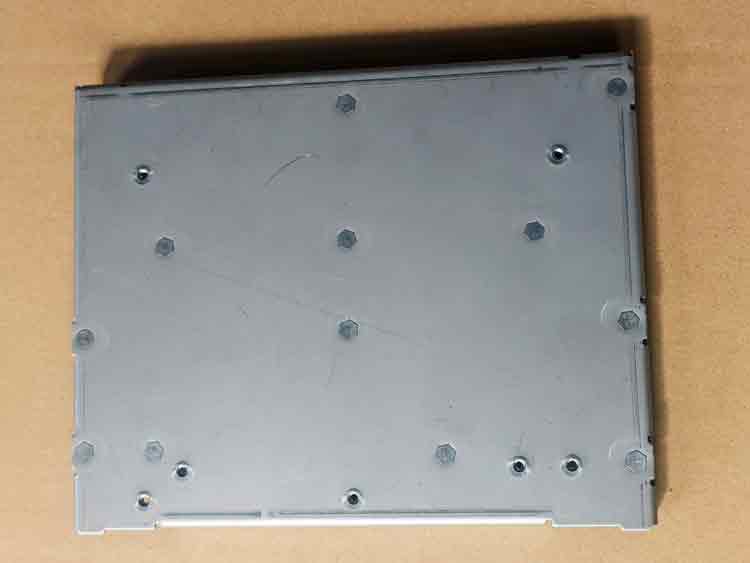
Custom Stamping Part with Self-clinching Nuts
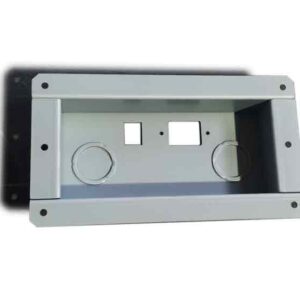
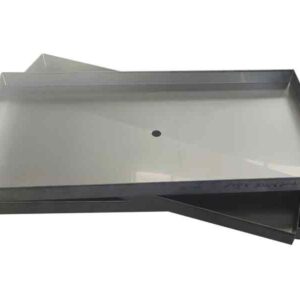
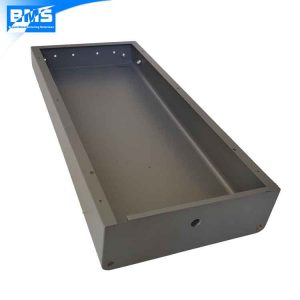
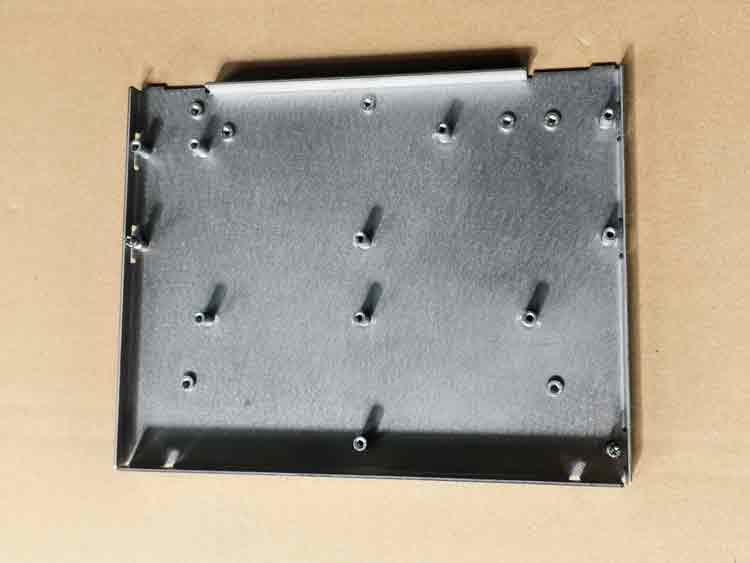
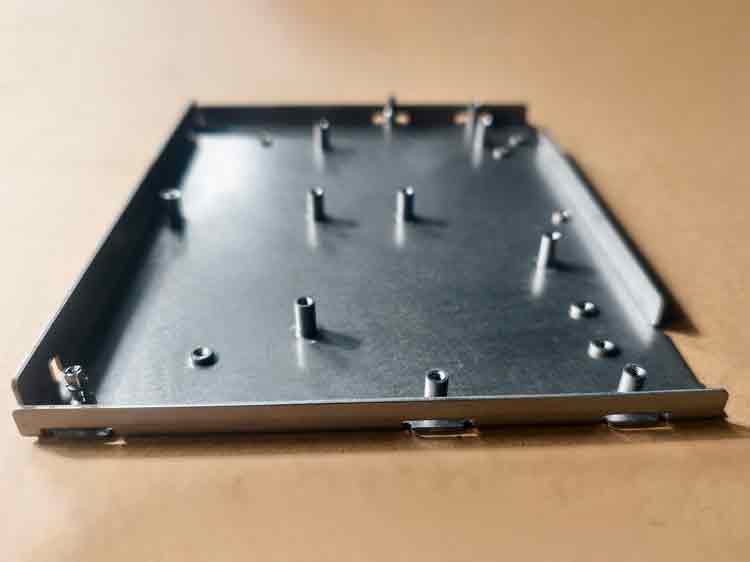
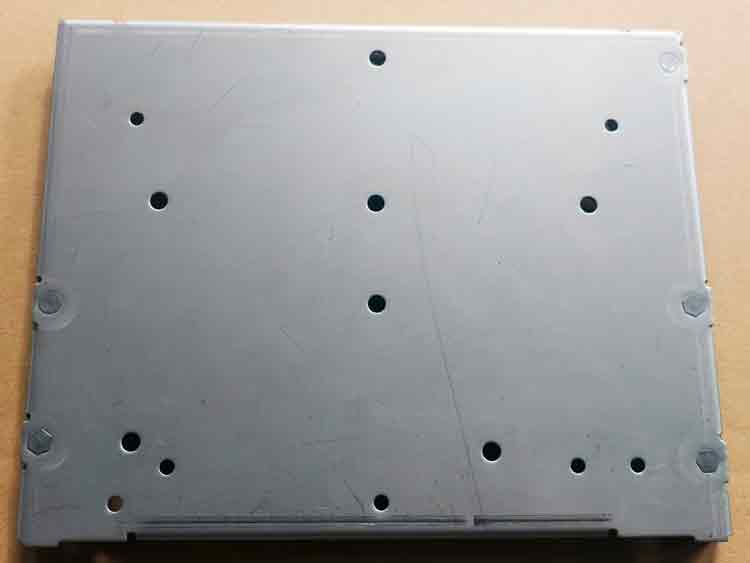
This custom stamping part features a metal enclosure with multiple self-clinching nuts. These nuts come in various types, some positioned close to the bend edges. The part is fabricated using stamping for the blanking process, followed by bending using a press brake (bending machine). This ensures a high level of precision for large-scale production of stamped metal parts.
Part specification
-
Dimensions: 265 x 176 x 13 mm
-
Material: Electro galvanized steel, 1.5mm thickness
-
Surface Treatment: None
Critical feature
Dimensional Tolerances
-
Hole Tolerance: ±0.02mm – The holes are designed to press-fit the self-clinching nuts, which requires high precision. Laser cutting does not offer the same accuracy as stamping, making it less suitable for this purpose.
-
Other Blanking Tolerances: ±0.05mm – Blanking is performed using stamping, which provides better precision and cost efficiency for large-scale production compared to laser cutting.
-
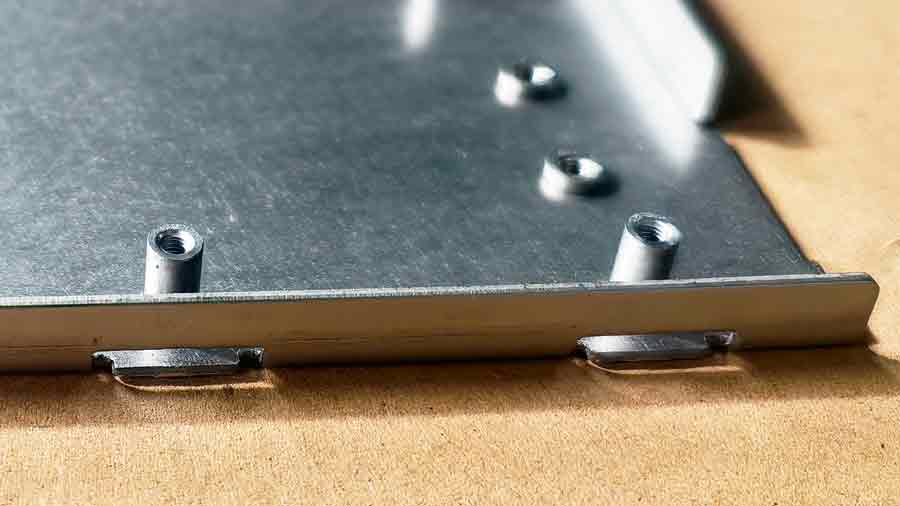
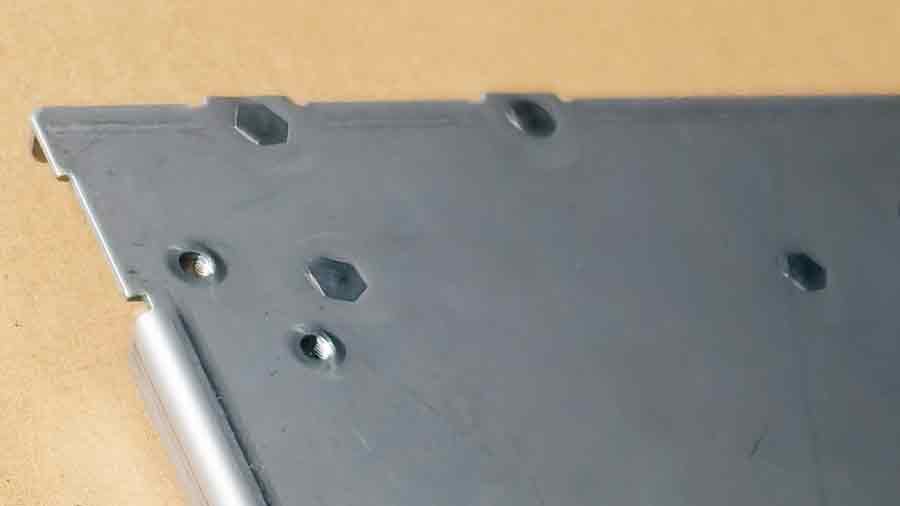
Bend Tolerances: ±0.20mm – The four edges are bent using a press brake, not a stamping die. The stamped edges are clean with minimal burrs, as seen in the photo.
Handling Self-Clinching Nuts Near Bend Edges
Some self-clinching nuts are placed close to the bend edges. To prevent deformation during bending, a “bend relief” or “bend notch” is created near the nut. This ensures the area around the hole remains flat and free of distortion.
Material: Electro-Galvanized Steel
The material used is electro-galvanized steel (also known as zinc-coated steel or zintec steel). The part is stamped from blanks, which define its shape.
Surface Polishing to Conceal Scratches
One side of the part undergoes polishing, creating random, textured patterns on the surface. The polishing process not only removes minor burrs but also helps hide small scratches, improving the overall appearance.
Press-Fit Nut Process
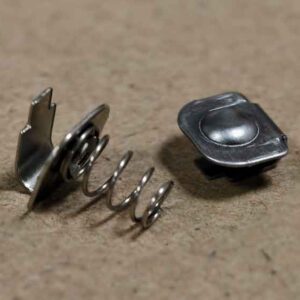
The part features three types of press-fit components: self-clinching nuts, press-fit studs, and snap-top standoffs. For press-fitting, it’s crucial that the surface remains flat after the process. This is ensured through accurate hole dimensions and the press-fit process itself. The images clearly show that the flatness after press-fitting meets the required standards.

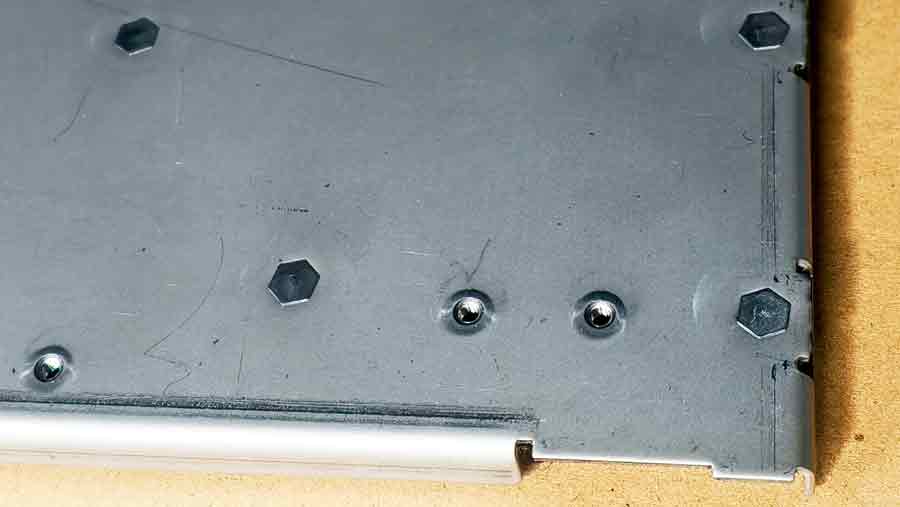
Note:A snap-top standoff is a type of standoff used in electronics and other assemblies. It is designed to be snapped into place onto a panel or board, offering a secure, stand-off spacer without requiring additional fasteners. These are commonly used to secure circuit boards or other components above surfaces, ensuring that components don’t come into contact with other parts or surfaces.
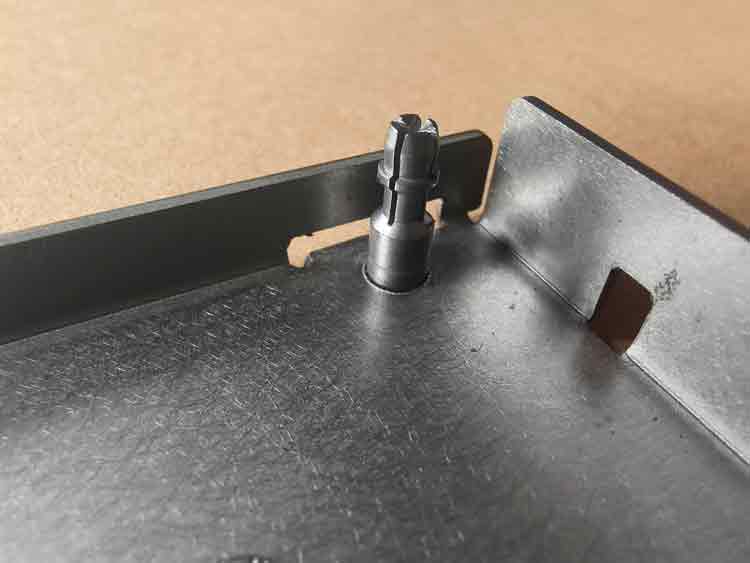
A video of the press-fit process is available below for further details.
Contact Us for Custom Fabrication
We have extensive experience in sheet metal fabrication. If you have similar product manufacturing needs, please don’t hesitate to contact us.